
Despite ASIC’s action on Shield and First Guardian, lead generation services are still in operation, presenting a danger to the $4.4 trillion superannuation system.
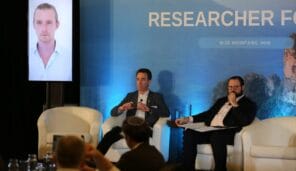
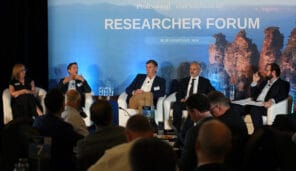
Two separate investigations presented to the Professional Planner Researcher Forum from CoreData Research and Super Consumers Australia revealed how these services continue to lure investors to switch their superannuation.
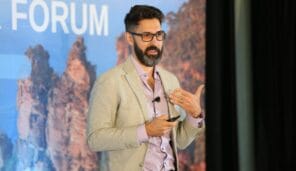
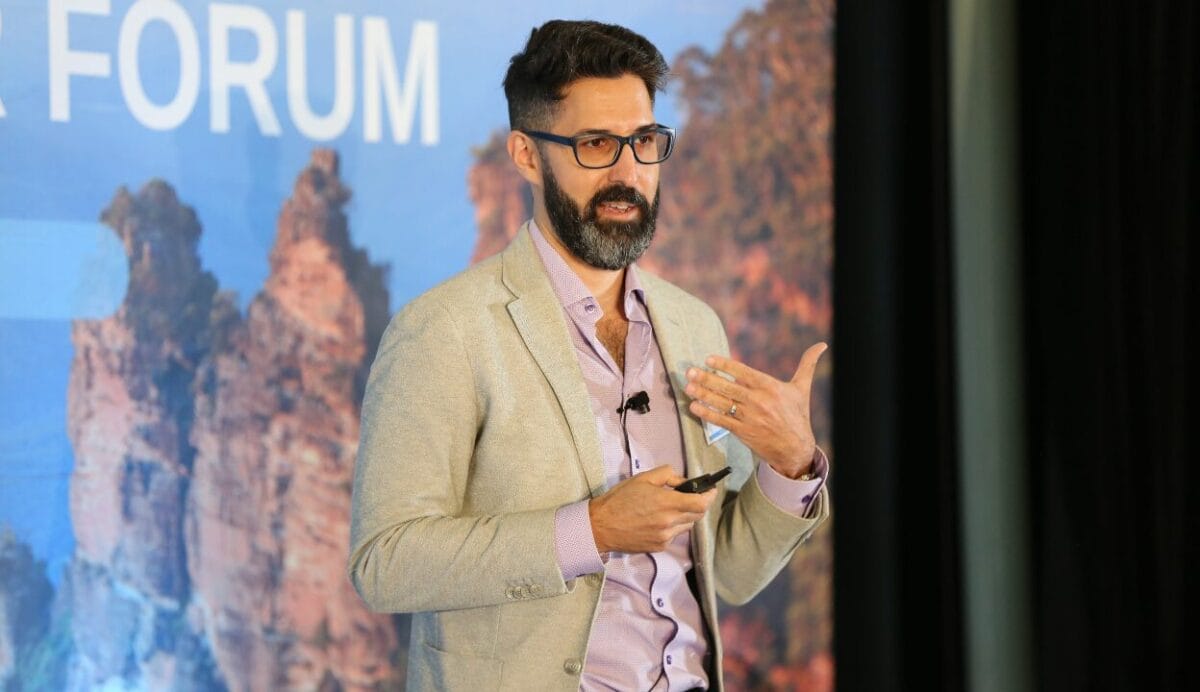
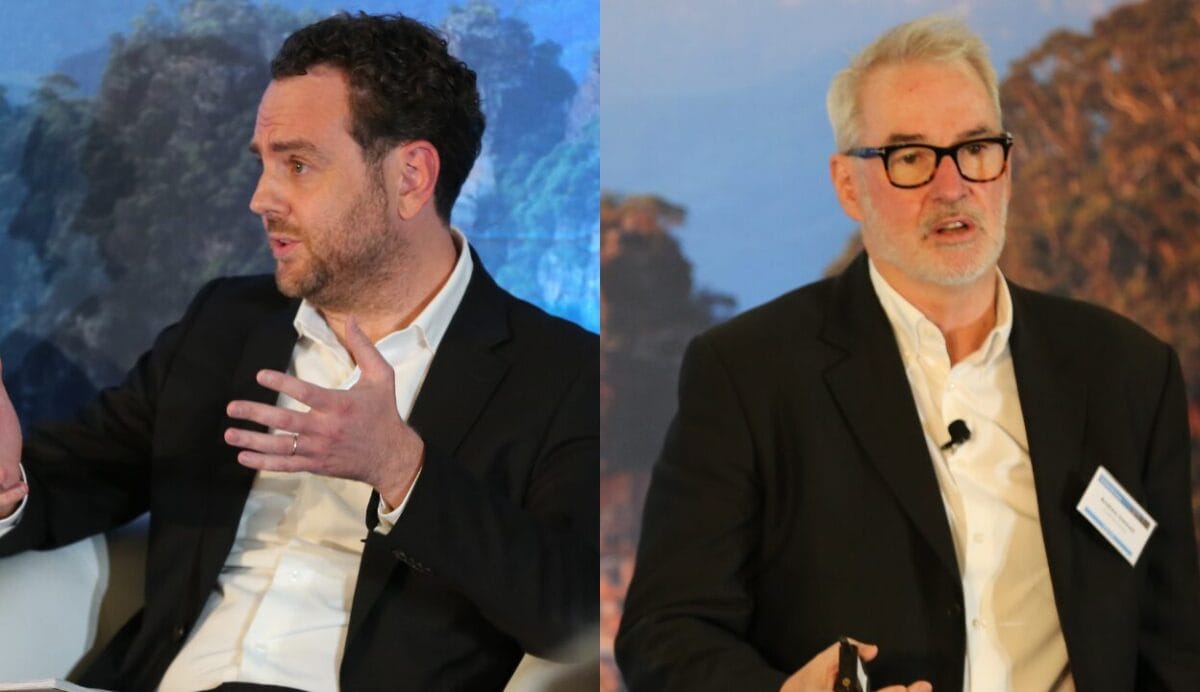
Super Consumers Australia CEO Xavier O’Halloran received a Statement of Advice last week after starting the process through an Instagram ad.
“Very interesting read, very high fees,” O’Halloran told the Professional Planner Researcher Forum this week in the NSW Blue Mountains.
“They spent the entire time making big promises about how much better off I could be if I switched to more of an active management style – they told me that my super fund doesn’t actively manage, just sets and forgets once a year all of its investment options.
“They spent the entire time rubbishing my super fund and kind of pointing to different failures in the super sector.”
O’Halloran said the lead generators created constant pressure and tried to manipulate him into pursuing the advice.
“They told me things like how clever I’ve been with my investments and the way I’ve structured my super and talking to some researchers subsequently who are behavioural specialists, it’s the number one way you build trust with someone is tell them how they smart they are,” O’Halloran said.
O’Halloran said he would have been charged $11,000 for upfront advice and $3500 ongoing if he followed through with the advice.
“At the end of all that there wasn’t some kind of next managed investment scheme that’s going to go under [like Shield or First Guardian], it was 16 different ETFs, very heavily weighed towards gold and really just showing me historical performance over the last five years,” O’Halloran said.
“The gold investment was really doing a lot of work compared to my high growth investment in my super fund. Within 10 minutes of the call to take me through the SOA, they were trying to get me to switch products.”
In a separate presentation to the forum, CoreData global CEO Andrew Inwood showed some of the misleading tactics used by these firms to appear more legitimate.
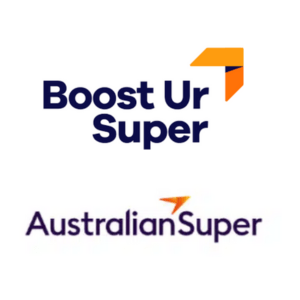
“This is the most dangerous one, this is called Boost Ur Super. The logo is the inverted Australian Super logo and it’s the same colour,” Inwood said.
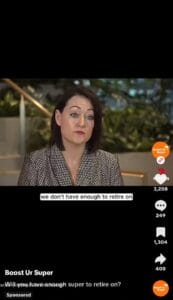
“They took [ART executive general manager for advocacy and impact] Anne Fuch’s image off 7 News [pictured below] and started running it in all of their ads so it looked like it was part of ART.”
He added neither Fuchs nor the fund knew about it when he approached them and later detailed that ART’s lawyers had no power to stop it.
Inwood went through the advice process with the group over the phone and was unable to find the representative on the ASIC Financial Advisers Register.
The business, Stronghold Advice, used an AI generated image to create the appearance of a fake office and a visit to the address by CoreData showed there was no physical presence.
“The person I was speaking to, one was on the Central Coast, one was on the Sunshine Coast so they were phone-based people,” Inwood said.
“I can’t find individuals who are responsible or involved and they’re certainly not taking my call when I ring up and say I want to understand your business. They absolutely do not want to talk to me.”
Like O’Halloran’s experience, Inwood was to be charged $11,000 up front and $3000 ongoing.
“This is a non-trivial sum in terms of what is going on and what they were putting me into was a bunch of managed discretionary accounts which were going to attract their own fee and it wasn’t better than where I currently am,” Inwood said.