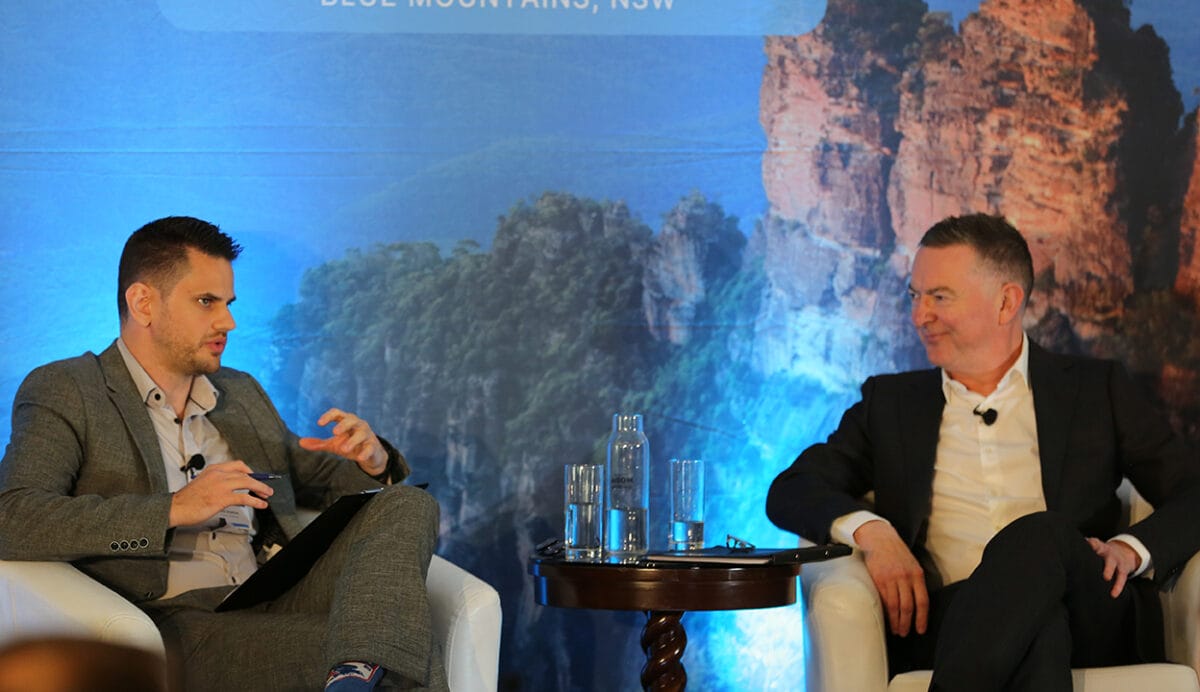

The regulator has revealed it is investigating other models similar to the Shield and First Guardian master funds.
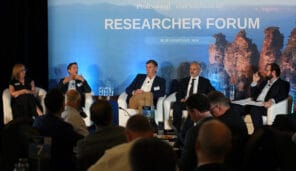
ASIC Commissioner Alan Kirkland told the Professional Planner Researcher Forum that while Shield and First Guardian are the largest of the matters, they’re not the only ones.
“There are similar patterns of conduct involving that similar chain: lead generation into advice, high-risk investment – a lot of it often involving property as well. We’ve got other investigations underway so it’s not isolated to those two instances,” Kirkland said, although he didn’t reveal specifics.
ASIC chair Joe Longo told a recent parliamentary committee hearing that the total number of investors impacted by similar schemes to Shield and First Guardian could be 25,000 to 30,000.
On Shield and First Guardian specifically, Kirkland told the forum on Tuesday that there are 10 separate Federal Court proceedings against 18 defendants, “and there is more to come”.
The collapse of the funds has put $1.2 billion of retirement savings of 11,000 investors at risk.
Kirkland, who commenced as an ASIC Commissioner in late 2023, said “this is the most egregious example of consumer harm that I have seen in my time at ASIC”.
“And the people affected are Australians who were trying to do the right thing to boost their retirement savings and were instead lured into switching their super into high-risk investments. These weren’t people rolling the dice in some get-rich-quick gamble. These were people making considered decisions which they believed to be in their financial interests.”
ASIC has taken directors of the fund to court; as well as financial adviser Ferras Merhi; Merhi’s licensee, InterPrac Financial Planning; another licensee, MWL Financial Services; Equity Trustees and SQM Research.
ASIC has accused SQM of preparing reports containing misleading representations and that its processes fell short of expected standards.
“It is our view that SQM Research prepared reports containing misleading representations and its processes fell short of expected standards when it published ‘favourable’ ratings for Shield,” Kirkland told the forum.
“More generally, it is our view that research houses should serve as gatekeepers against poor quality investments or unsuitable products. They need to do all things necessary to ensure that they go about their work efficiently, honestly and fairly. And they need to avoid issuing ratings or commentary that can’t be justified by evidence.”
Kirkland said Australian investors rely on the chain of financial experts behind their investments which includes financial advisers, research houses, investment platforms, superannuation trustees and licensees.
“When every part of that chain fulfils its role – with its multiple layers of knowledge, expertise, duties and obligations – the system works as it should,” Kirkland said.
“Investors can be confident that they will be offered products that are safe, and appropriate for them and their financial goals. But when there are failures in that chain, far too often it is investors who pay the price.”
ASIC won stop orders against the Shield and First Guardian funds due to concerns of mismanagement of investor money, including the funding of pet investment projects of the directors or personal expenses including luxury cars and mansions.
Both funds are alleged to have paid advice firms who in turn used that money to pay for lead generation services to funnel customers into the funds without considering their best interests.
Kirkland said the failures of Shield and First Guardian have highlighted some regulatory gaps including the regulation of lead generators, the super switching process, the obligations of super trustees who provide platform products and the regulation of managed investment schemes.
“We welcome the government’s commitment to exploring sensible reforms that can better protect consumers in the future, and we are committed to working with the government to identify what would be most effective, based on what we have uncovered through our investigations.”
The Hayne royal commission led to the introduction of anti-hawking laws to prevent the unsolicited sale of financial products, but a gap in the law exempts the unsolicited sale of a financial service, including financial advice.
Consumer advocacy body Super Consumers Australia and industry fund association Super Members Council have both advocated for changes to the anti-hawking laws to stop lead generation services.