
ASIC has sounded the alarm on retail distribution of private credit in an interim report as it commences stop orders against several products.
The corporate regulator has released Report 814 Private credit in Australia, its interim report that was part of its discussion paper into public and private markets published earlier this year.
In the report, ASIC called for a lift in standards across Australia’s private credit sector, highlighting four areas of improvement covering conflicts of interest, fees and remuneration, portfolio transparency and valuations, and terminology.
The report arrives during a period of increased anxiety over private credit funds in Australia, with regulators, media and consumer bodies raising questions over their quality, liquidity and transparency.
The regulator highlighted fee incentives, net interest margin capture, related party transactions, and multiple capital stack exposures as conflicts of interests.
“Some managers retain 50–100 [per cent] of upfront and other fees paid by borrowers or default-related fees,” the report said.
“In borrower negotiations, this structure could be in conflict with maximising the interest margin to the benefit of the fund investors. In some cases, interest could potentially be paid from the loan capital.”
The regulator was also concerned that loans to related developers or transfers between funds managed by the same group may be done without independent valuation oversight or any governance.
Furthermore, the regulator noted instances of funds that didn’t undertake regular valuations, distributions being paid from new or existing investor capital, and the arbitrary usage of labels and definitions like “senior debt” or “investment grade”.
The interim report is sourced from an ongoing review of Australia’s private credit funds sector led by infrastructure investment executive Richard Timbs and former banker and chief risk officer Nigel Williams.
In November, ASIC will release its response to the discussion paper on Australia’s evolving capital markets, alongside its retail and wholesale surveillance findings.
Stop orders launched
The report comes just after ASIC commenced interim product stop orders against the La Trobe US Private Credit Fund ($215.8 million in net assets as of 31 December 2024), the 12 Month Term Account ($11.1 billion end of August) and 2 Year Account products ($148 million end of August) offered under the La Trobe Australian Credit Fund on Thursday, 18 September.
It also commenced interim stop orders against the RELI Capital Mortgage Fund ($50.9 million in net assets as of 31 December 2024) on Friday.
ASIC said all three stop orders arose from ASIC’s retail private credit surveillance and the orders are valid for 21 days unless revoked earlier.
The regulator had raised concerns about the target market determinations for the funds, particularly that they suggest an “inappropriate level of portfolio allocation” given the risks of the funds.
In the case of the RELI fund, the target market potentially includes investors who intend to hold the fund as a “core component” (defined as 25 to 75 per cent) of their portfolio.
The regulator’s surveillance of private credit funds has homed in on transparency, governance, valuation practices, management of conflicts of interest, and fair treatment of investors.
La Trobe said it intends to continue to pay maturing investments on time and is currently updating its La Trobe Direct investment platform, which was offline at the time of writing.
In an investor communication, La Trobe chief investment officer Chris Paton said investments in those products “remain safe and under our careful stewardship” and are working with ASIC through the matters.
“Our products are supported by granular, high-quality investments contained within highly diversified portfolios with embedded conservatism,” Paton said.
“These portfolios are carefully constructed to perform across the cycle and will continue to support the payment of consistent monthly income to investors.”
La Trobe chief executive Chris Andrews told investors the fund manager takes its legal duties with the “utmost of seriousness”.
“We will, of course, comply with the interim stop order and pause the receipt of new investments while we address these issues,” Andrews said.
Separately, Metrics Credit Partners’ ASX-listed Income Opportunities Trust and Master Income Trust have been downgraded by Lonsec, with the influential ratings house identifying governance concerns including material related-party transactions, lack of separation between debt and equity committees, and lack of transparency.
Insto tick of approval
But the report said the institutional end of the private credit market – predominantly super funds and insurers – is operating in a manger that “demonstrates good operating practice”.
“As the Australian private credit market has grown and matured, it has incorporated many of the established practices from the more advanced markets of the US and Europe,” the report said.
“However, we believe there are areas that warrant improvement – including the transparency of pre-investment information and documentation, and ongoing investment performance information.”
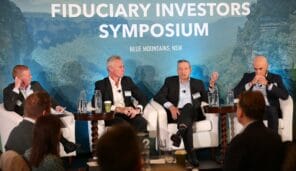
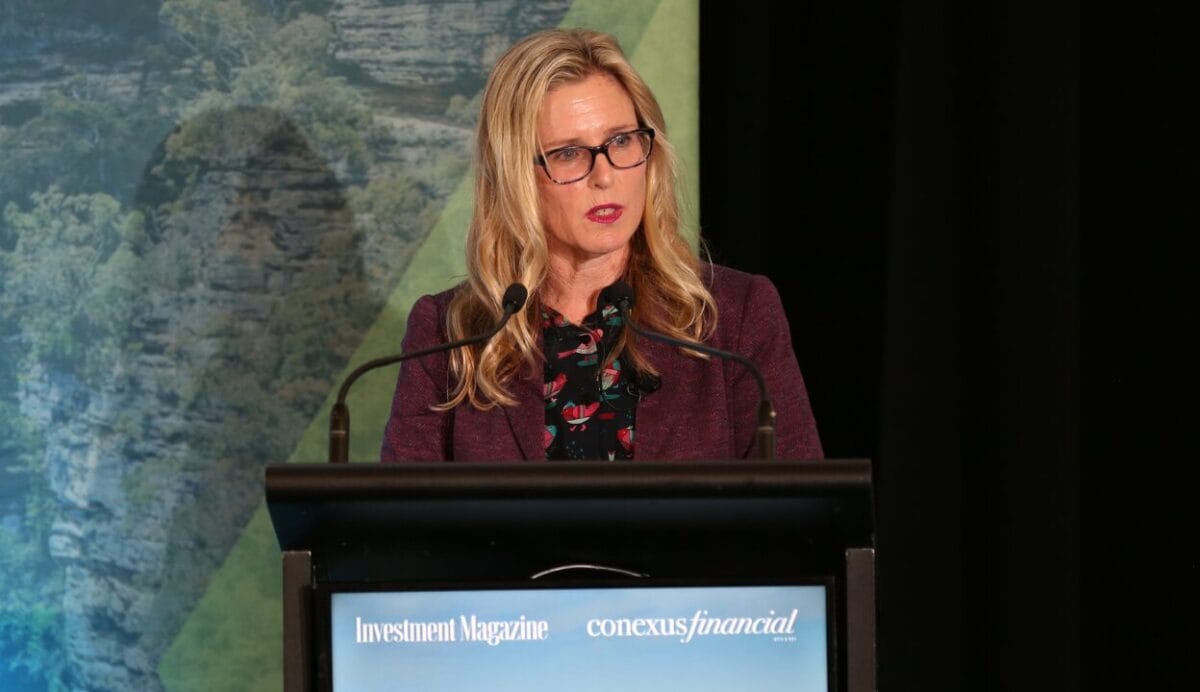
ASIC commissioner Simone Constant previously told the Investment Magazine Fiduciary Investors Symposium, hosted by Professional Planner’s sister publication, that there is greater scope for more targeted enhancement and active and ongoing monitoring and supervision in private markets.
“In the responses [to the discussion paper], we had institutions, investors, originators and private credit fund managers… calling out for improvements in practices [and] a better picture of what ‘done well’ looks like in private credit for institutions as well,” Constant said.