

Some 70 per cent of super switches are driven by advisers, but whether that’s in the best interest of the client or the adviser is another matter.
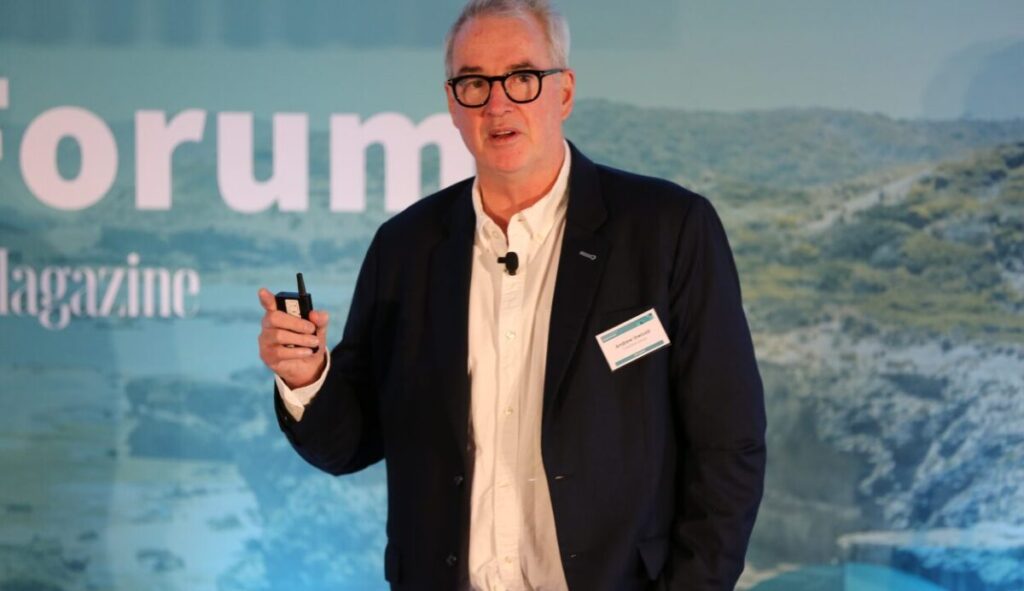
CoreData global chief executive Andrew Inwood told the country’s major super fund chairs that the next big battle in the super industry is going to be who is the preferred fund based on service.
“What’s really interesting is that the adviser has changed super fund for them and it’s just nonsense,” Inwood told the Chair Forum, hosted by Professional Planner sister publication Investment Magazine.
“I do like advice and I think advice makes a big difference but seriously – going from AustralianSuper to ART – it’s just that the adviser likes them more.”
Inwood said people are seeing advisers once they get closer to retirement and have larger balances.
“The adviser, in seven of 10 cases, says you’re in the wrong fund, in some of those cases they go to Netwealth and HUB24,” Inwood said.
“The reality is that’s happening all the time between the funds, it’s still common and it’s quite interesting. In seven of 10 cases they bumped to an adviser when they hit either $300,000 or [turned] 55 and the adviser says you are in the wrong fund.”
The research from CoreData follows the release of The Conexus Institute’s* 2026 State of Super report,which found that the competitive growth prospects for the industry funds are becoming more challenged as competition from retail platforms grows, a trend that has been emerging over the past few years.
Inwood said the challenge for funds isn’t improving service quality, but acknowledging that there is a problem.
“Working with super funds is interesting, there’s some brilliant people working there but sometimes you’re a bit confronted when you go and say you’re service isn’t going that well… have you looked at Google complaints or the Reddit thread on you?” Inwood said.
“It’s pretty grim. There are two advisers right now live streaming trying to get death benefits or money out of AustralianSuper or ART and they’re updating it every day.”
Government and regulatory intervention in superannuation over the past decade has seen funds become more homogenous in performance and fees, and Inwood said this is why service is the differentiator.
The CoreData research also found that lower balances value advice more than the wealthy.
“Below $200,000 – massive uplift in expectations, outcomes, satisfaction and confidence in the future,” Inwood said.
“If you’re rich, turns out advice does a lot of paperwork for you, it doesn’t really change your confidence that much. If you’re poor, turns out not only does it make you richer and more satisfied, but it changes your confidence fundamentally.”
The implementation of the Retirement Income Covenant has meant APRA-regulated funds are required to have a retirement income strategy for members and the government and regulators have acknowledged financial advice is a crucial component.
The final stages of the Delivering Better Financial Outcomes reforms were meant to help address advice accessibility issues, but Minister for Financial Services Daniel Mulino told the forum he has concerns about legislating the new class of adviser due to the fallout of the $1 billion Shield and First Guardian collapse.
“In the post-Shield and First Guardian world, I do think it is important that we move forward carefully when it comes to, for example, creating a new class of adviser,” Mulino told the forum.
The controversial proposal for a second tier of adviser would be restricted to providing advice on products issued by prudentially-regulated entities.
The second tranche of DBFO legislation would have also seen the expansion of intrafund advice and the introduction “nudges” to guide members to get advice when researching certain life stages.
Andrew Inwood will speak at the Professional Planner Advice Policy Summit on 23-24 February. For more information or to register please visit: https://www.professionalplanner.com.au/topic/events/advice-policy-summit/2026-advice-policy-summit/
















Leave a Comment
You must be logged in to post a comment.