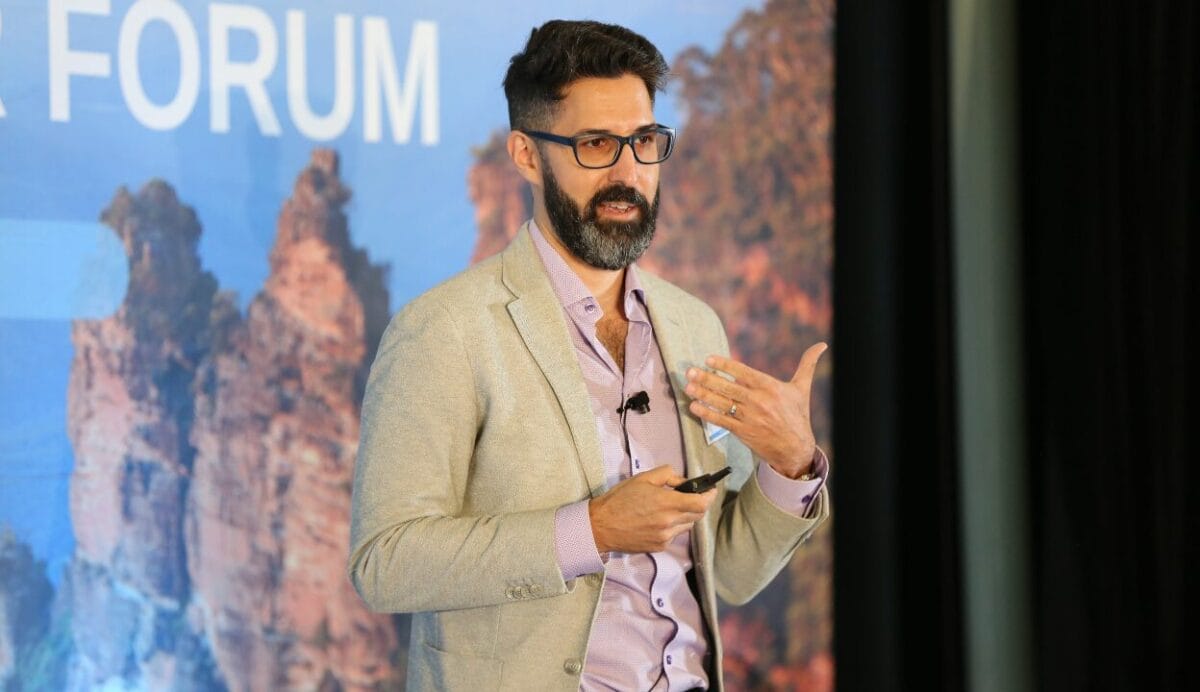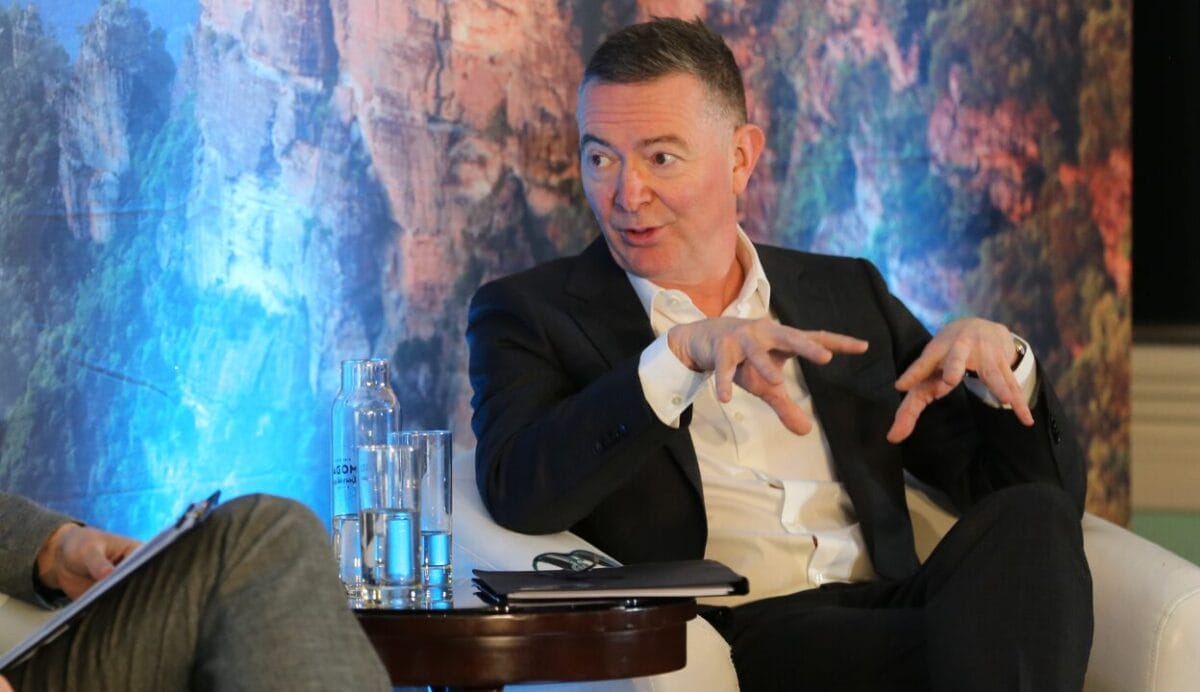

ASIC Commissioner Alan Kirkland believes the regulator moved quickly after it had enough evidence on the misappropriation of investor money in Shield and First Guardian.
“We moved relatively quickly once we were alert to these concerns around how the funds were being used and then as soon as we felt that we had enough evidence to justify intervening, which initially involved seeking some of those orders like asset freezing, travel restraints and then ultimately the appointment of receivers then liquidators,” Kirkland told the Professional Planner Researcher Forum.
“As soon as we thought we had enough evidence to take that action we moved and did that and we’ve been keeping the courts busy ever since.”
The comments come as the federal opposition ramps up its criticism of ASIC’s handling of the collapse, including a heated speech from Shadow Minister for Financial Services Pat Conaghan at the FAAA National Congress last month.
Kirkland acknowledged there has been a range of feedback to the regulator’s action but said some has been positive.
“In terms of those questions that are raised about the timeliness… it’s important to unpack in detail what we were put on notice about at key stages,” Kirkland said, who joined as Commissioner in late 2023.
Kirkland said the early tip-offs focused on the lead generators rather than the misappropriation of investor money within those funds.
“In relation to Shield specifically, the first report that we had that mentioned issues around misappropriation of funds was in April 2023, later that we commenced our preliminary investigations,” Kirkland said.
“With First Guardian, we actually picked up the issues before they were reported to us. Because of the work we were doing on Shield we become aware of some concerns in relation to First Guardian and we shortly there afterwards commenced preliminary investigations there.”
Kirkland encouraged the industry to keep offering tips and to rely on industry bodies like the Financial Advice Association Australia who have direct lines to the regulator.
“I know people are sometimes disappointed if they don’t get a clear answer back about whether we’re investigating something – that’s often because we can’t, it might compromise the investigation or we might be restricted legally from sharing that back,” Kirkland said.
“The numbers around how many reports we’ve had about a particular person or entity is one of the key factors that influences whether we we’ll take it on for further investigations. Even if you don’t hear something back it’s really important intelligence for us so I encourage people to do that.”
Shielding trustees
Kirkland’s comments at the Researcher Forum were followed the next day by several ASIC executives appearing at a Senate Economics Committee hearing.
At the hearing, Chris Savundra, ASIC’s executive director for enforcement, fought off accusations the regulator kept information from other trustees such as Equity Trustees, who is being sued by ASIC, has contended.
While ASIC sought information from Macquarie about Shield in May 2023, a month after Kirkland said the regulator received its first report into the fund, Savundra said this was part of the early fact-finding process and a stop order didn’t come until February 2024.
Equity Trustees said previously that it didn’t receive inflows for Shield until June 2023 and stopped in October that year, sharing its concerns with regulators.
“At this point we did not hold concerns in relation itself nor were we tipping off or giving Macquarie notice that we had any concerns in relation to Shield,” Savundra told the committee.
“What we were asking Macquarie to provide us was information about the funds invested in the Shield Master Fund through the Macquarie platform and the names of the relevant advisers.”
He added the regulator was “building a picture” of where funds were coming onto platform.
“It was not a tip off, it may well have alerted Macquarie to our interest and Macquarie may have acted off the back of receiving this notice,” Savundra said.
“But the suggestion that’s been made by other trustees that we were in a position to warn them, I don’t accept on the basis that we were at that point in time were really just still trying to understand the basic facts.”
MIS intervention
Responding to concerns ASIC should actively monitor the managed investment schemes (MISs) it registers, Kirkland told the Researcher Forum it has little power to intervene with MIS registration.
“In terms of registration, let’s be really clear, we don’t do any vetting of the kind of risk rating or quality of managed investment schemes and we don’t have the power too,” Kirkland said.
“We’re required to register a managed investment scheme, it’s not a discretion. If it meets a few basic requirements, we do that.
“Other than issues they’re required to report like internal disputes, we can’t go out and say we want you to give us data on fund flows on a regular basis. What they are required to do is lodge financials within three months at the end of the financial year, but that’s a point in time report that is up to 15 months late, so it’s not effective.”
Kirkland said the Design and Distribution Obligations, while a net gain for the regulator’s enforcement ability, does solely solve the issue either.
“DDO is an important tool and in general has lifted practices, but we continue to find areas where people haven’t complied with DDO and [ASIC] takes action,” Kirkland said.
“It’s not a fix all; it’s a useful tool in encouraging product manufacturers and distributors to think about who the products for and how it’s been distributed and how they monitor for risk, and it gives us tools such as stop orders to intervene where we identify problems, but it doesn’t put us in any position to be actively monitoring what’s happening across all those thousands of MISs.”