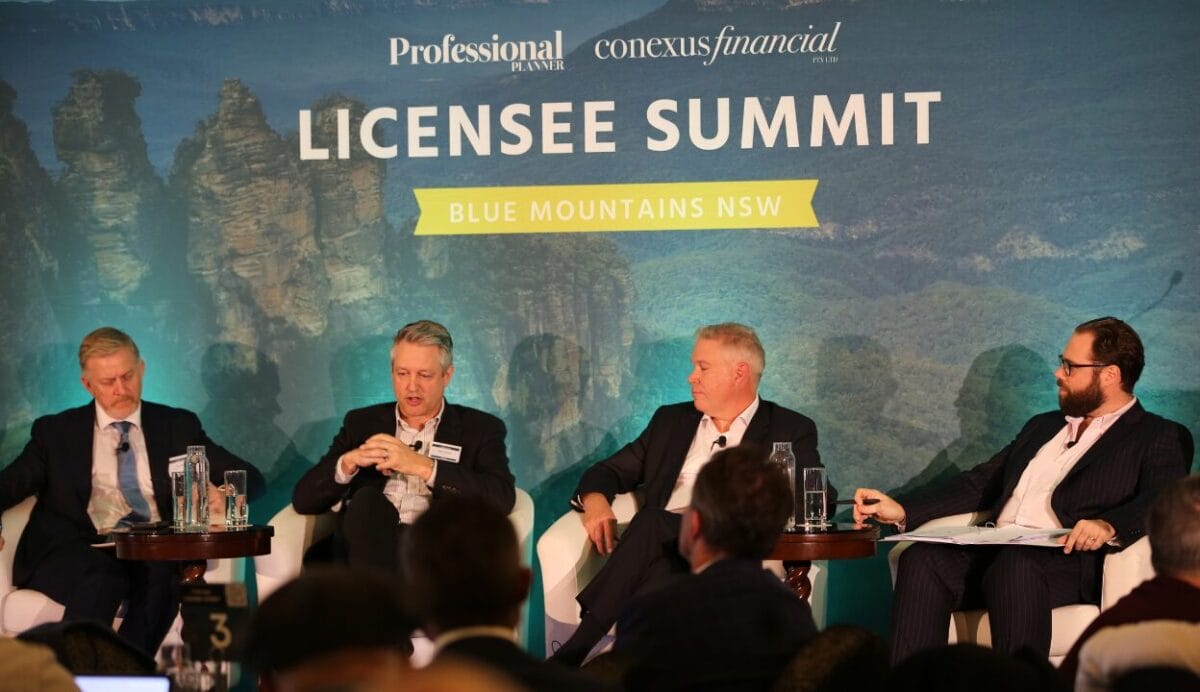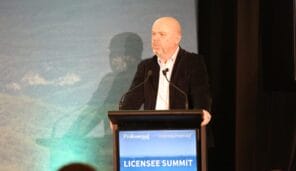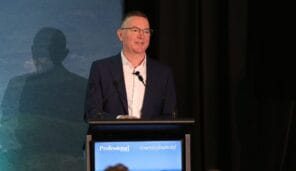

Although there have been encouraging signs in recent years, the advice profession must maintain a mindset of “productive paranoia” because there is always the risk that further disruption is around the corner, the Professional Planner Licensee Summit heard.
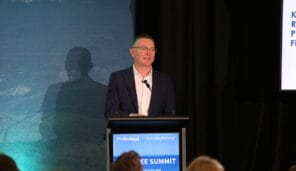
In the closing session of the summit, Akumin chief executive Matt Lawler said the Jim Collins book Good to Great: Why Some Companies Make the Leap… and Others Don’t showcases how some companies excel, and others fail to take the next step in success.
“It talks about a concept called ‘productive paranoia’,” Lawler said. “Steve Jobs had it, Bill Gates had it. All of the good leaders had it.”
Lawler said productive paranoia is needed because there is “good stuff coming our way” in the form of the demand for financial advice but “we know in this sector that it only takes one scandal or problem business where the cycle turns down again”.
“As we get faster and faster momentum and our growth accelerates, we do see some of that stuff [high risk advice business models] starting to surface and we need to get in front of that.” he said.
Fitzpatricks Private Wealth CEO Jasia Fabig said she believes the industry is in a position where tailwinds are stronger than the headwinds for the first time in many years.
“We should all be buoyed by that,” Fabig said.
“There’s lots of positivity and lots to look forward to and great outcomes for licensees and business models and clients. Let’s not lose sight of that. We all know that bad times come, so we might as well enjoy it while it’s here.”
Although Fabig agreed with Lawler’s concern about productive paranoia, she noted that most industry veterans would have a “slight sense of PTSD”.
“We’re a little bit more hardened to look out and to be aware of some of those black clouds or pitfalls,” Fabig said.
“It’s prudent to always be scenario planning for what might come but, overall, we’re in a good space. It’s encouraging for a change.”
Advocacy priorities
When it comes to advocacy in Canberra, the key policies the advice profession has had to deal with include the Compensation Scheme of Last Resort, and advice reform through the Delivering Better Financial Outcomes package.
HUB24 managing director and CEO Andrew Alcock noted the benefits of forums such as the Professional Planner Advice Policy Summit, held earlier in February this year.
“We can do a whole lot of stuff but there’s a structural and a process issue here,” Alcock said.
“If this is a real thing for us to face…how do we embrace that and work together as an industry?”
Alcock noted the current debate over the new class of adviser as an example of industry fragmentation.
“We’re not landing on that together and it’s very difficult to do because there are two polarised ends of the spectrum here,” he said.
Lawler said he sympathised with the profession’s frustrations with the CSLR – the FY26 levy revised estimate has been sent to Minister for Financial Services Daniel Mulino who will be left to with decision of how to impose a special levy to cover the $47 million shortfall – but also took a bigger picture look at what the scheme means to the broader public.
“If you didn’t know anything about this sector and you saw there was thousands of clients coming into this scheme who had lost their money and there was a big pool of money that needed to be provided to pay them back, you might say, ‘Is there something wrong with this sector?’,” he said.
Instead, Lawler said, the profession needs to understand what’s happening to these failing business models, how they actually originated and why they weren’t stopped before causing consumer financial detriment.