
Growth isn’t evenly distributed across the industry and while there are several high performers willing to take advantage of the tailwinds, this number only makes up about a quarter of practices.
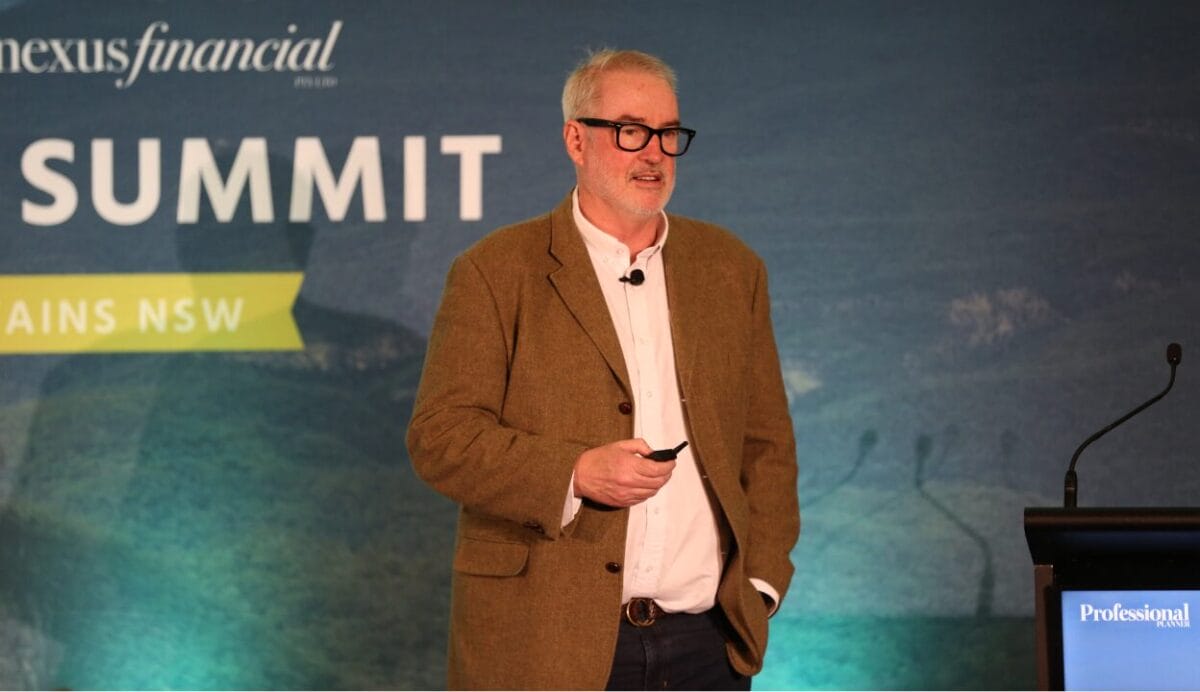
As part of his annual presentation to the Professional Planner License Summit, which also covered licensee satisfaction, the research found 40 per cent of advice firms have a 35 per cent profit margin.
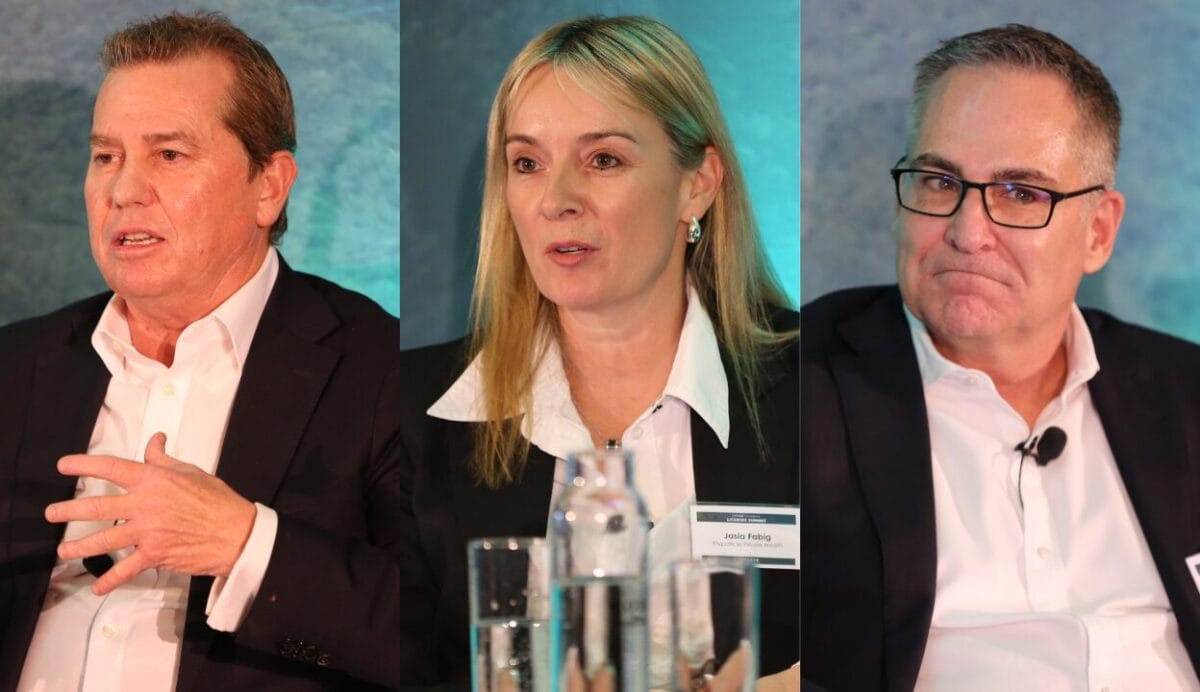
CoreData global CEO Andrew Inwood said the clues to growth are people that have strong plans are happy with their licensee. “That should be a pleasing outcome to the licensees,” Inwood said.
“The people who really want to be there are leaning in and working hard and are very happy with how things are going, the people who aren’t are finding it relatively problematic.”
“Growth is real for everybody because profit is up across the board. In the UK, in the USA, in Australia, everybody I’m talking to is recording that profit has grown. This is a really challenging outcome because we’re going to see a number of advice businesses soon which are going to be insanely profitable.”
But the research found growth isn’t evenly distributed across the industry, with only 27 per cent of practices having “strong plans for growth which are clearly road-mapped”.
Some 56 per cent of practices have growth plans “which are more general”, while 17 per cent are focused on maintaining their current position, trimming their books or are unsure about their growth plans.
Inwood said growth behaviours haven’t really changed year on year.
“Growth isn’t about economic opportunity because there is extraordinary economic opportunity at the moment, it’s about system behaviour… the people working inside the system,” Inwood said.
“Just because the industry is growing really fast do you think advisers are going to grow really fast? Some will, but the vast majority are going to do not much when faced with this opportunity which is quite constraining for us.”
The average number of clients per adviser in this year’s data was 121.
“When I first started talking about this four years ago it was 80, then it become 90, then 110, now its 121,” Inwood said.
“We’ve talked about Dunbar’s number of 153 which is the limit, but the best businesses are absolutely smashing it.”
Dunbar’s number is the theoretical limit to the amount of people a single person can maintain stable social relationships with.
Changing of the guard
Amidst years of M&A as the industry simultaneously shrinks and scales up, the research found future action in the space was likely completed.
“Everyone who could [and] should merge has probably done that work,” Inwood said.
“There’s going to be a little more of that but its now going to be about organic growth; people actually building their systems out and growing their businesses.”
But the adviser pipeline is still “dangerously constrained”, and Inwood said there isn’t any relief coming to mitigate that.
“There is nothing you can do to manufacture demand for the services, particularly when there’s a lack of clarity about what the government wants to do in the space.”
Inwood referred to ASIC Commissioner Alan Kirkland’s speech on day one of the summit, noting that there will be a lot advisers who fall out of the industry because they choose not to fulfill obligations under the education standard.
Advisers will be required to either have an approved tertiary degree or be eligible for the 10-year experience pathway by 1 January 2026.
What will happen to those clients is up in the air as and Inwood said the research has tried to assess whether those books will have any value.
“The common answer so far is no, not even for free,” Inwood said. “Cost is too big… the integration is too big, it’s going to be such a challenge.”
Building back trust
The other key tailwind facing the industry is the research found trust in advice has been restored to pre-Hayne royal commission levels.
“Last year when I presented this data to you we were about four on the 10-point scale of trust in advisers and I said I think it’s coming back,” Inwood said.
“Trust is rising… its effectively the same as everyone else in the financial services industry. We’ve got a situation now where the trust which was destroyed has been rebuilt by experience and need.”
The variation between advisers and accountants is half a per cent.
“Six out of 10 is okay in Australian NPS scoring,” Inwood said.
“Getting it to seven will take too much energy and its going to be too hard, but keeping it at six is going to be something which is really important.”