


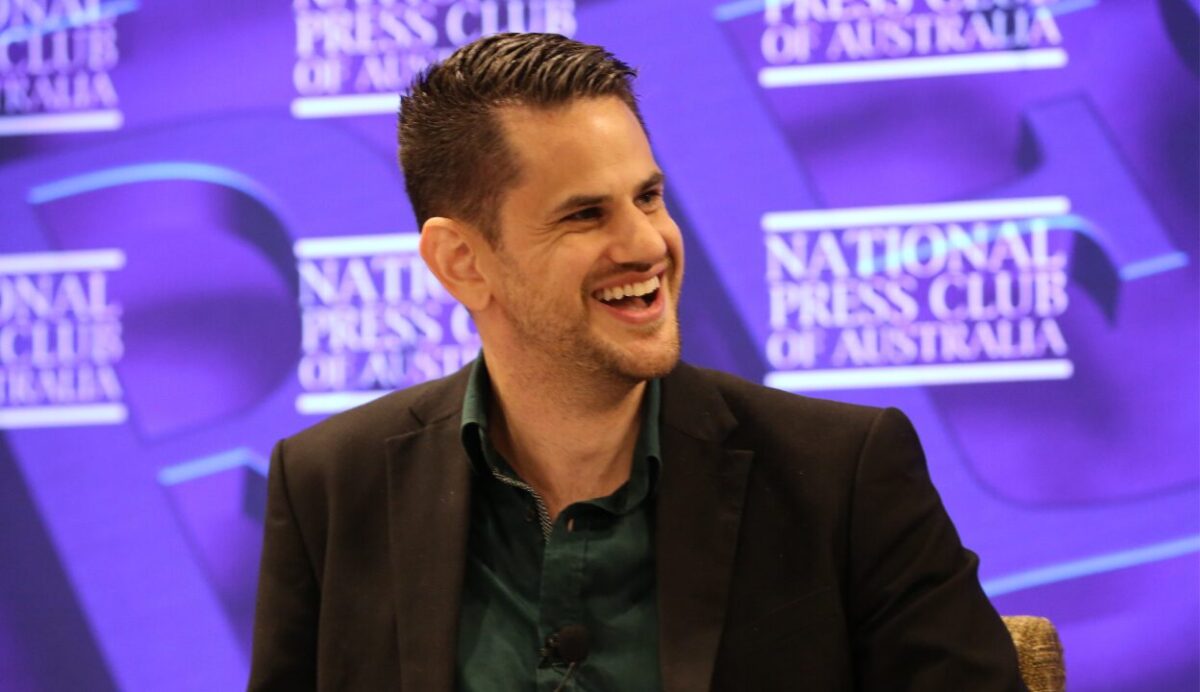
FASEA’s Code of Ethics is a blessing for the Australian Financial Complaints Authority according to the Ombudsman for advice and investment, Shail Singh, as it provides a clear and transparent marker for AFCA to use during dispute resolution cases.
While cases that are dated from the ethics code’s January 1, 2020 implementation date generally haven’t filtered down to AFCA just yet, Singh says the set of twelve standards will make a difference to the way they approach disputes.
“It will change things, absolutely,” he says. “We will have to regard it.”
Having a clear and simple set of parameters for ethical behaviour can only be a “good thing” from the complaints authority’s perspective, he adds.
“It transparently tackles things we’ve had to deal with on a case by case basis in the past. We still have to deal on a case by case basis but it’s something else we can use,” Singh says.

The Ombudsman predicts that the code – together with the other FASEA mandates such as the adviser exam – will ultimately reduce the number of disputes in the financial system. The ones that do come through will have another strong set of tenets to be judged against, he says, which will make the job of resolving complaints a lot easier.
AFCA and its predecessors have always had firm templates to mark against, Singh hastens to add, including best interest duty, the Corporations Act and regulatory guides. But the Code of Ethics adds a dimension that is wholly relevant to advice and tackles some areas that aren’t as pointedly addressed elsewhere.
“The Code of Ethics goes a little bit further than the law,” he says. ““The code requires not only that the law is followed but that the intent of the law is followed. It’s also about advisers holding other advisers to account. In my view it provides a lot more clarity around some of the things that we’ve been overseeing.”
Singh identifies several of the standards as being particularly relevant for AFCA, including Standard 1, which impels advisers not to try and “avoid or circumvent” the law, and the controversial Standard 3, which precludes advisers from acting where a conflict exists. “But I think they’re all important in different ways,” he says.
He adds that while AFCA is required to have regard for the code as well as the law and other relevant matters in its dispute resolution, the ultimate aim is to do what’s fair in all circumstances.
“Ultimately, it’s a fairness lens that we apply,” he says. “If any black letter law finding results in an unfair consumer outcome we’re allowed to do what’s fair.”
Singh also notes that the complaints authority will take guidance from the corporate regulator when it comes to the exact interpretation of the Code of Ethics by industry.
“We’ll be conscious of the environment at the relative time, but at this time we’re very much in lockstep with ASIC in how they apply,” he says.
Singh will be speaking on a panel with renowned ethicist and director of The Ethics Centre, Simon Longstaff at the Professional Planner Digital Licensee Summit on June 2.
The interactive session, entitled “Workshop: Life under the Code”, will be used to dissect real-life scenarios faced by advisers and licensees and test their application of the Code. Secure your digital pass today.



















Leave a Comment
You must be logged in to post a comment.