


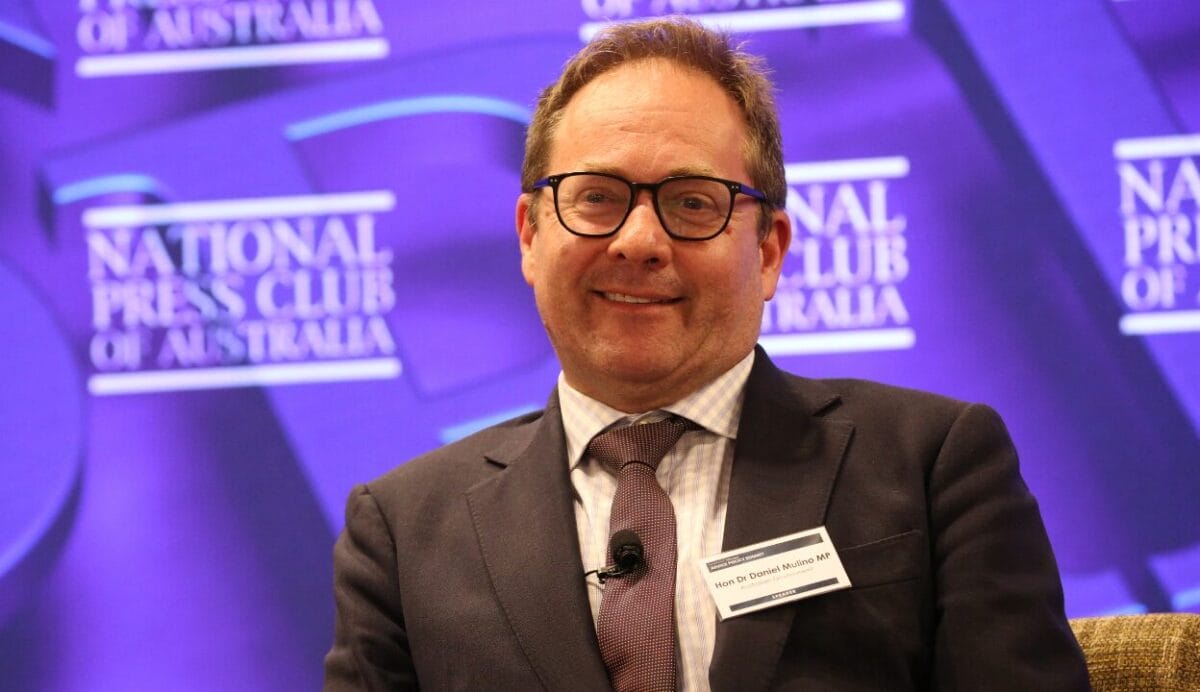
The Licensee Leadership Forum has written to Minister for Financial Services Daniel Mulino and pushed for progress on “timely” education reforms.
Mulino released the industry consultation for the standard last month, which would expand the amount of approved degrees required to be a registered adviser.
The changes were announced by Mulino’s predecessor, Stephen Jones, at the Professional Planner Advice Policy Summit last February, but a federal election and the $1 billion Shield and First Guardian collapse had further impacted the pace of reforms.
“Given the urgency of addressing adviser supply, we encourage the government to progress consultation efficiently and move to legislate the new framework as soon as practicable,” the letter said.
“Timely implementation will provide certainty to industry, education providers and prospective advisers. This reform is a critical step in rebuilding the advice profession, and it has strong industry support. We look forward to working with you to ensure its successful implementation.”
The letter was signed by Infocus general manager Matt Fogarty, who chairs the forum.
The forum has its foundations in the Professional Planner Licensee Summit which is returning to the Blue Mountains in NSW on 10-11 June.
The group represents 70 licensees responsible for authorising 5000 financial advisers, including major licensee owners Entireti, WT Financial Group, Count, Rhombus Advisory, Koda Capital, Infocus, as well as digital advice provider Otivo, Lifespan, UniSuper, Cbus, Industry Fund Services and Aware Super.
The proposed reforms have received overwhelming support from the financial advice sector which has also been pushed by the Financial Advice Association Australia, Stockbrokers and Investment Advisers Association and SMSF Association.
SIAA’s submission to the consultation, released on Friday, also called for urgent implementation of the proposed changes to the standard.
Under the reformed standard, new financial advisers will be required to hold a bachelor’s degree or higher, as well as meeting minimum study requirements in relevant areas such as finance, economics or accounting, along with completing the four mandatory financial advice subjects.
The four proposed prescribed financial subjects will be ethics for professional advisers, financial advice regulatory and legal obligations, behavioural finance and client relationships, and financial advice fundamentals.
The degree changes will still work in conjunction with the professional year, financial adviser exam and continuing professional development requirements to support a substantive barrier to entry for the profession and ongoing training requirements.
The confluence of the Hayne royal commission and introduction of professional standards have seen the number of registered advisers drop from over 28,000 at the start of 2019 to 15,125 as of 16 April, according to Wealth Data analysis.
The education standard required financial advisers to have an approved tertiary qualification at the start of this year, a deadline that was pushed back during the Covid-19 pandemic, in conjunction with other stipulations including passing the financial adviser exam.
The standard was brought into place to address the low barrier to entry in joining the profession, particularly as the industry’s perception was negatively impacted from the royal commission.
However, the introduction of the education rules had garnered criticism for being too stringent or inflexible and that decades of industry experienced was either overlooked, when it should have been treated as a sufficient level of qualification.
Education changes faced further headwinds as the number of new entrants to the profession peaked in the few hundreds while thousands of advisers dropped out of the register annually.
In the lead up to the 2022 federal election while in opposition, Jones had proposed an experience pathway to help mitigate the exodus of advisers who didn’t want to complete the education standard, which became law in 2023.
Jones initially sought to prioritise advice reform, via the Quality of Advice Review, before tackling education changes, but later released the new education standard after announcing his retirement before the 2025 election amid stagnant progress on advice reform.






Leave a Comment
You must be logged in to post a comment.