
Produced in partnership with Netwealth.
It’s easy to think that the grass will be greener with alternative service providers, but this can backfire when the change management process isn’t conducted with the proper due diligence.
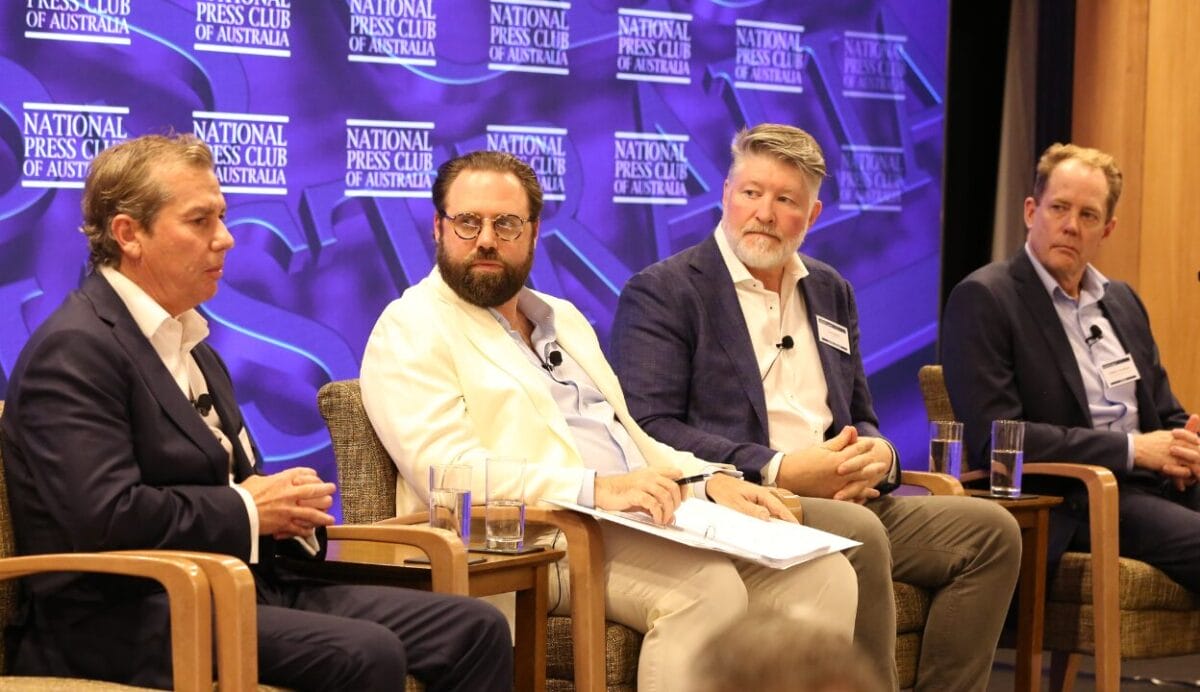
Finura Group joint managing director Peter Worn described to the Netwealth Accelerate Summit in Melbourne “one of the biggest disasters” the firm had come across.
“There’s a common misconception that big tech disasters are the domain of large companies… but in a small business you don’t have a lot of wiggle room for things to go wrong from a tech perspective – the costs, the operational impacts are enormous,” Worn told the summit.
“This is not a slight on Salesforce; there are millions of happy Salesforce users out there, but I can tell you without a doubt for every happy customer for one piece of technology we can find you an equally unhappy customer as well.”
In fact, last year’s summit heard how one firm was using Salesforce to gain efficiency, largely through automation and building a customised tech stack.
But Worn’s example of a process gone wrong started on a US study tour in Silicon Valley after an adviser sat through a “very effective’ marketing presentation from Salesforce which spoke about the future of financial services in the US.
The adviser believed Salesforce would be the way forward and wanted to cease their relationship with Iress, the provider of Xplan, the dominant software in financial advice and a frequent target of user complaints.
After a “fairly short sales process” the firm partnered with Salesforce, along with a third-party start-up that would build out the tech on top of Salesforce.
It was almost a year later when Finura got the call to come in and aid with what had been a rocky process thus far.
“One of the independent directors called us, this business has taken on some private equity money,” Worn said.
“I can tell you, those sort of investment companies do get involved in tech decisions. The independent director said I think this tech project is going off the rails, I’m really nervous.”
The bills had “mounted up” yet there was no functional software to show for it. Furthermore, the project costs were at the point where the company may not have been able to pay dividends for the foreseeable period.
“As we sort of initially started peeling back the onion, we got more and more concerned by what we saw. In terms of what were they thinking? Not a lot,” Worn said.
“I think the initial decision, what started it all, was probably too many mojitos in California. I think anger and frustration at their existing vendor and I think ego and hubris on the leadership perspective, they were the three things.”

Promises to cure all woes
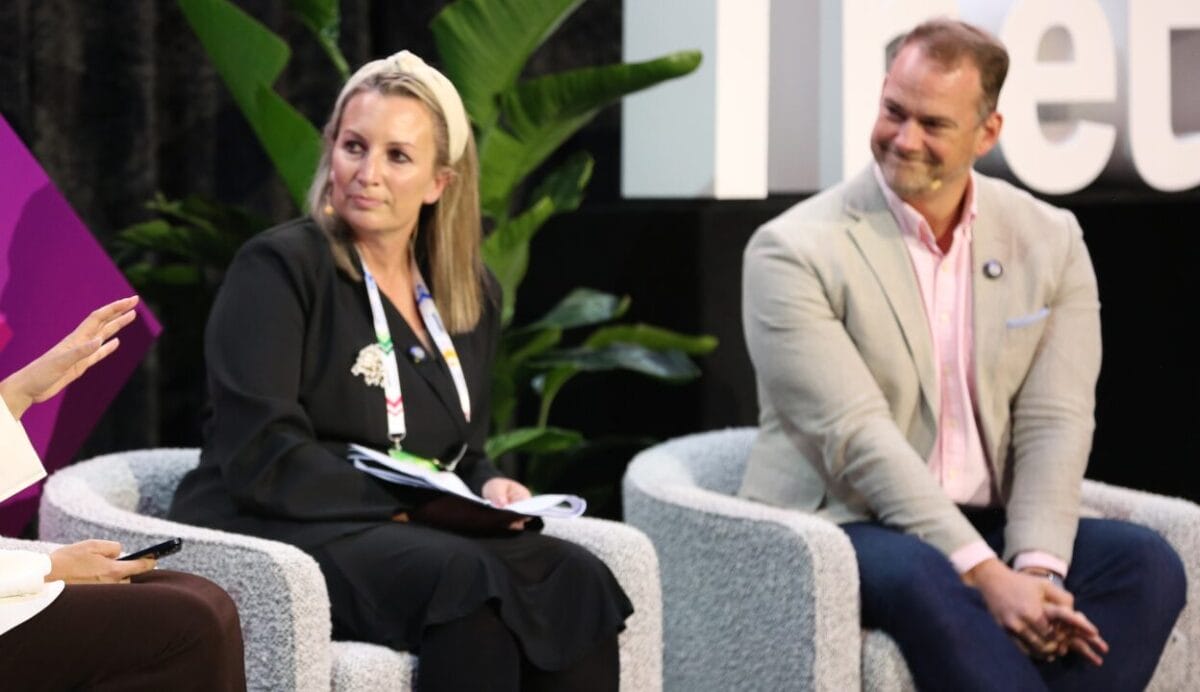
Finura head of IFA consulting Dannie Le Grande said disdain for Xplan created motivation to find another vendor that was “promising… to solve all those problems and more”.
“They didn’t think they had a customisable solution for their advice document so that was taking them a lot of time,” Le Grande said.
The leadership team was impressed with the sales process which promised a “tonne” of features the practice had been clamouring for.
“All these things made the leadership team’s eyes light up, so the decision was already made before they went into the demo,” Le Grande said.
“We think the demo was mostly a PowerPoint presentation so about 80 per cent of that demo was done in a PowerPoint presentation and about the other 20 per cent was done in the system, taking a brief look around. And they signed the contracts.”
Le Grande said when Finura came into the process 10 months later, they discovered how behind the process was.
“We went to log into the environment just so that we could analyse and do our thing and it was a login into a sandbox,” Le Grande said.
“For 10 months they didn’t have a live login to their environment, but they were paying for a live login [for a full production environment].”
Worn said the firm ended up back with Xplan, but because of the nature of the contract signed with Salesforce, they were paying for the software a lot longer.
“Anyone who’s done contracts with Salesforce… it’s not like Iress where it’s a 12-month agreement, they’re multi-year so they do ask for a multi-year agreement or they’ll incentivise you to sign a three or a five-year agreement,” Worn said.
One of the other attractions to Salesforce was that it was a known entity, but the third-party firm used to implement the new systems had limited experience in financial services.
“That was probably the first red flag for us,” Worn said.
“Our industry is nuanced, some stuff you can’t just learn overnight about our industry, which is probably not a good thing by the way. I think we’ve over complicated it. They probably didn’t appreciate the highly-regulated nature of our sector. There’s not a lot of wiggle room with what we do.
“The sales process itself had some red flags there so the way the demo was run, I think a director should be really asking some questions if the process seems overly sales that’s a red flag in itself. There was no one really in those demo pitches who had a product bent.”
Avoiding repeat mistakes
Worn said that if a leader in the business – a chief executive, owner or even an independent director appointed by the board – had direct oversight of the project then flaws would’ve been picked up straight away.
“First milestone deliveries not met, vendor was not showing up to meetings, but the red flags were just there the whole way along where you just would’ve just gone ‘stop, no more bills are paid’,” Worn said.
For a smooth tech implementation journey, Le Grande suggested firm’s start with identifying their own process first before choosing tech and to take baby steps throughout the process and celebrate the minor victories along the way.
“The reality is, we don’t have a lot options with advice tech here,” Le Grande said.
“You’re either going to end up in an end-to-end advice provider – so an Xplan, Adviser Logic or Midwinter – one of those systems. Or you’re going to have a bit of a tech stack going on.”