
Adviser platforms can no longer present themselves as just technology providers now that they’re operating in a prudentially regulated environment, according to The Conexus Institute.
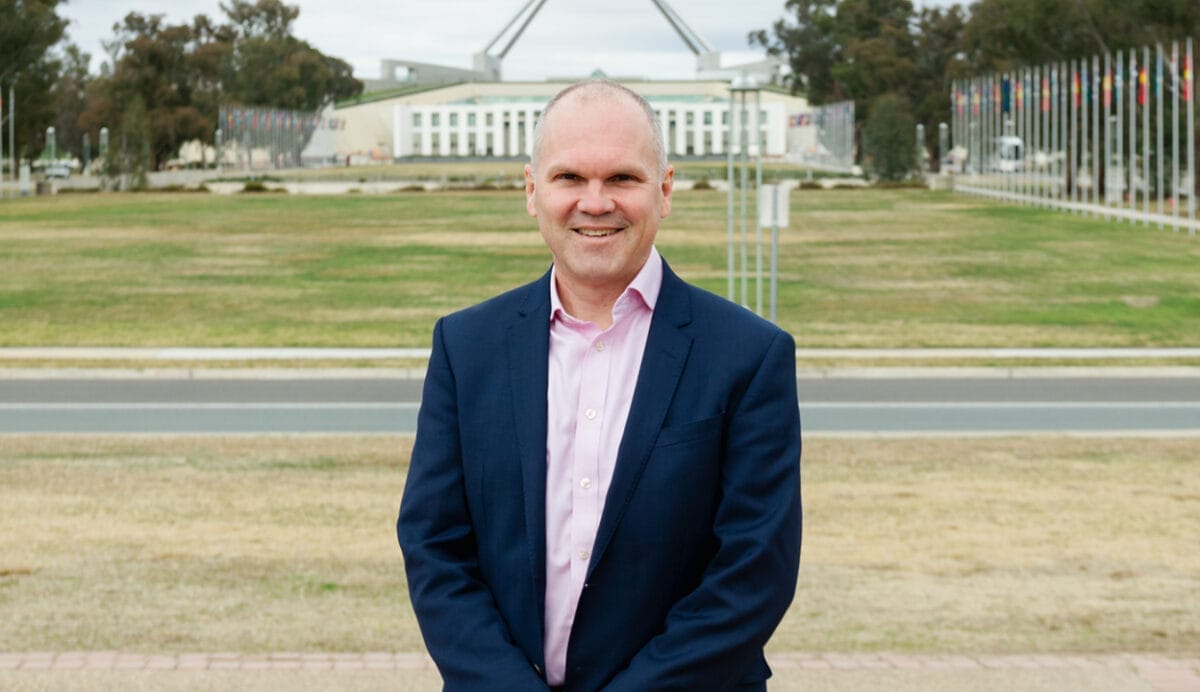
David Bell, executive director of the institute*, told the Professional Planner Researcher Forum that worldview is now outdated.
“If you participate in superannuation, you are a superannuation fund,” Bell said.
“You’re captured by a bunch of really important issues. You’re housing assets as part of the compulsory superannuation system. It has tax benefits associated with it and it’s part of the social compact of this country. It’s a really important foundation that you’re stepping into the platform super provider. You are now in the prudential regulatory world.”
Bell said that in addition to this additional responsibility, being a super fund also comes with heightened media scrutiny.
“The ratio of super media coverage versus wealth media coverage is far more in the super world,” Bell said.
“There’s a huge extra set of scrutiny and obligations and requirements that are sitting in super fund world.”
Bell said these concerns will forever be part of running a superannuation fund in a compulsory system.
“The strength of that social compact of superannuation will mean that the government will always lean into protecting and trying to always close down the gaps of catastrophic loss risk,” Bell said.
“You can complain about changes and what they might mean for overall outcomes, but I just don’t think you’ll get far.”
The scrutiny of platform and trustee responsibility comes amid the collapse of the Shield and First Guardian master funds and vigorous debate over what action should have been taken by gatekeepers to prevent the roughly $1 billion failure.
Bell also questioned position sizing and whether Shield and First Guardian could’ve been mitigated with holding limits.
“The entire fraud could have largely been a non-event if there was position size limits,” Bell said.
The comments came a week before ASIC announced it would sue Diversa Trustees, alleging it had failed to enforce a 50 per cent holding on First Guardian.
Bell pointed to AustralianSuper’s $1 billion write down of Pluralsight – roughly the size of Shield and First Guardian – noting that it did not generate the same level of media coverage since it was a relatively small part of a $340 billion fund.
“All it did was its find way into the Fin Review, nothing in the retail-friendly papers or anything like that,” Bell said.
*The Conexus Institute is a not-for-profit think-tank philanthropically funded by Conexus Financial, the publisher of Professional Planner.