


This article was produced in partnership with Netwealth.
In some ways, 2025 was for Netwealth CEO Matt Heine what 1992 was for Queen Elizabeth II.
Her Majesty famously concluded it had been an annus horribilis – a Latin expression for a horrible year – after a fire severely damaged Windsor Castle and three of her children’s marriages spectacularly imploded, sparking intense media attention.
In a speech at the end of that year, the Queen conceded that the public scrutiny was necessary, though painful.
Reflecting on the year just passed, Heine, who will be speaking at the Professional Planner Advice Policy Summit on 23-24 February in Canberra, comes to a similar conclusion.
Netwealth – the $5.7 billion investment administration business established and majority owned by the Heine family – last year found itself embroiled in the $455 million collapse of the First Guardian Master Fund, when more than 1000 retail investors invested into the problematic product via the Netwealth platform.
Netwealth spent most of 2025 working to find a way to have members compensated and as soon as possible, including seeking Government assistance available for superannuation trustees who are themselves victims of fraud. In December, they reached an agreement with ASIC acknowledging shortcomings and agreed to compensate affected members to the tune of $100 million.
And yet despite facing into the first real public relations test in its 25-year-history, Netwealth also continued to achieve commercial success.
“It was a two-speed year for us because the underlying business continued to experience strong momentum; we won new customers, delivered innovative features and drove real efficiencies for advice businesses,” Heine tells Professional Planner in his first major interview since agreeing to remediate First Guardian investors and ahead of his appearance at the Advice Policy Summit in Canberra on 23-24 February.
“But clearly, in parallel, we were working to bring about resolution for our members. From the outset. We said that we would explore every option and we did.”
DBFO delays
Now, the collapses of First Guardian and Shield are being blamed for the Government’s decision to delay, and potentially kill off, the highly anticipated Delivering Better Financial Outcomes reforms.
After four years of reviews, industry consultation and millions of dollars spent on advocacy, all in a bid to make advice accessible and affordable to more Australians, earlier this month, Minister for Financial Services Daniel Mulino refused to commit to legislating the remaining parts this year as he deals with the human, sectoral, regulatory and legislative toll of the situation.
Heine admits that Netwealth has played a part in the Government’s “challenge” and says it is right to prioritise the victims of the collapses.
“It’s hard to argue with the government’s current priorities and where they are focusing their efforts,” he says.
“It would be disappointing to see DBFO taken off the table altogether, but clearly more work needs to be done around the new class of adviser and what they can actually advise on.”
Among Heine’s regrets in 2025 is the impact of First Guardian on Netwealth’s 700-plus employees who worked tirelessly working with advisers, serving clients and building out the platform’s capability, but whose efforts were completely overshadowed.
Oligopoly oracle
But any conjecture that the First Guardian incident would dent Netwealth’s growth trajectory were quashed by the company’s quarterly results released last month. Meanwhile, fintech analyst Peter Worn predicted that Netwealth would continue to dominate flows into the platform market in an “oligopoly” with rival HUB24 and perhaps one or two other challengers to emerge.
Unlike some competitors like Macquarie Wrap – which has announced it will significantly reduce the number of investment products made available to customers via the platform following Shield and First Guardian – Heine says he is committed to the choice and innovation ethos that has propelled Netwealth’s success. That means ensuring its advisers have access to broad menus including direct equities, managed accounts and private market assets.
Equally, though, he says the message has been made clear that governance and due diligence across the sector needs to be uplifted – a point he argues netwealth are fully committed to and that is broadly accepted across the industry
“It’s very clear what we need to be doing, and what every platform needs to be doing, to meet the evolving expectations of consumers, regulators and other stakeholders, and make sure we protect the integrity of the system,” he says.
“Where funds are performing poorly, unsupported or lack ongoing investment in their capabilities and governance, it will be very challenging for them to remain on platforms going forward.”
Christmas present
Heine defends Netwealth’s decision to seek a government bailout under Part 23 of the Superannuation Industry Supervision (SIS) Act, a move that attracted some criticism given its potential to raise the annual levy on advice businesses to fund the government’s Compensation Scheme of Last Resort.
“It wasn’t necessarily about asking the Government to bail us out but rather giving our members certainty as soon as possible while we worked through where things went wrong and who was responsible. At the time we wanted to remediate first and resolve later” Heine says.
“In the end, it became very clear to us that the right thing to do was to compensate our clients and reach agreement with ASIC.”
Details of Netwealth’s $100 million agreement with ASIC broke on 18 December and the timing was important, according to Heine, because it meant impacted members got some good news before Christmas and that they, and Netwealth, could start 2026 with a “clean slate”.
As Heine looks to the upcoming Advice Policy Summit, he hopes Netwealth and the broader industry as it looks forward to a refreshing new narrative underpinned by efficiency and innovation rather than government regulation and requests.
To his mind that also means leaving any squabbling between the industry’s factions and sub-sectors at the door.
“Whilst everyone needs to remain competitive and keep investing in their relevant products and services, it’s never been more important than now to be united from a consumer perspective and to rebuild trust… we need to avoid a ‘super war’ playing out in the media and industry” he says.
“We all need to understand that different parties have different roles to play in the industry and our clients lives and we should play to our respective strengths.”
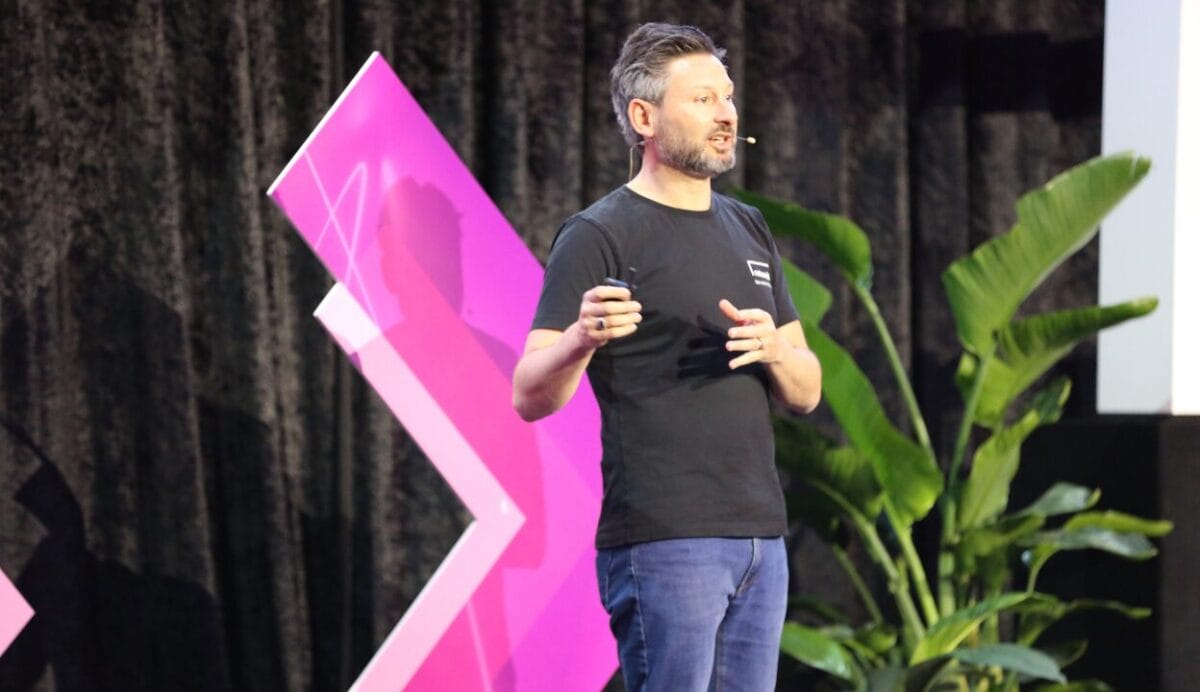
Netwealth chief executive Matt Heine will be speaking at the Professional Planner Advice Policy Summit. Advisers, practice principals and licensee executives are eligible to attend and can register here.