


Providing professional services free of charge to individuals who need them – so-called pro bono work – is a hallmark of established and respected professions. The financial planning industry, as it drifts gently towards becoming a profession itself, has a solid, if not spectacular, record in providing such services.
Indeed, it has a pretty great record of offering services to individuals and communities affected by natural disasters – as part of preparations for Professional Planner’s 10th anniversary next month, this article came up – but it has a lesser track record of providing regular, reliable and structured pro bono services.
That’s not intended as a criticism so much as a statement of fact. Financial planning isn’t yet a fully formed profession, so it’s not reasonable for it to exhibit all of the characteristics or features of one. And providing services pro bono is not a straightforward task. Even though an adviser isn’t paid for the service provided, the licensee and adviser must still treat the advice seriously. Just because there’s no payment for the advice doesn’t mean an adviser can avoid responsibility for the results.
Nevertheless, some in the industry are already taking on the pro bono challenge. AMP, for example, has an established pro bono program (there are others). In fact, it was AMP’s experience that led to the creation of the Pro Bono Financial Advice Network (PFAN).
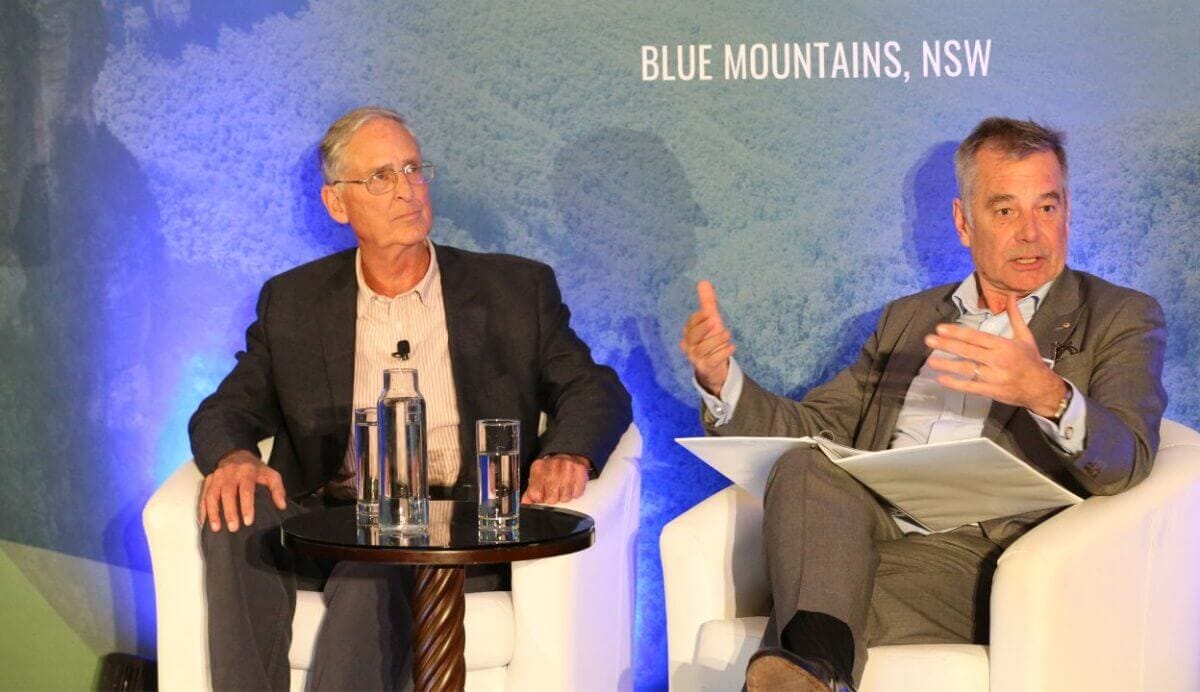
PFAN had its genesis at the Professional Planner Dealer Group Summit (which we now call the Licensee Summit) in the Blue Mountains, west of Sydney, in 2012, prompted by a presentation by Steve Helmich, who then led AMP’s advice businesses. Helmich outlined the program that AMP had set up for its advisers, in conjunction with a key referral partner, the Cancer Council.
It was pretty clear pretty quickly that not only was it an invaluable service for clients facing unquestionably the toughest time of their lives, but also it was a deeply moving experience for the advisers involved. Clients referred to the service didn’t have long to live and Helmich’s presentation made it abundantly clear that providing pro bono advice is not always easy.
While Helmich deserves immense credit for sharing his insights and experience in establishing AMP’s program, PFAN could not have got off the ground without the dedication of a number of other key individuals who came together in meetings after the Licensee Summit to develop the concept into something tangible.
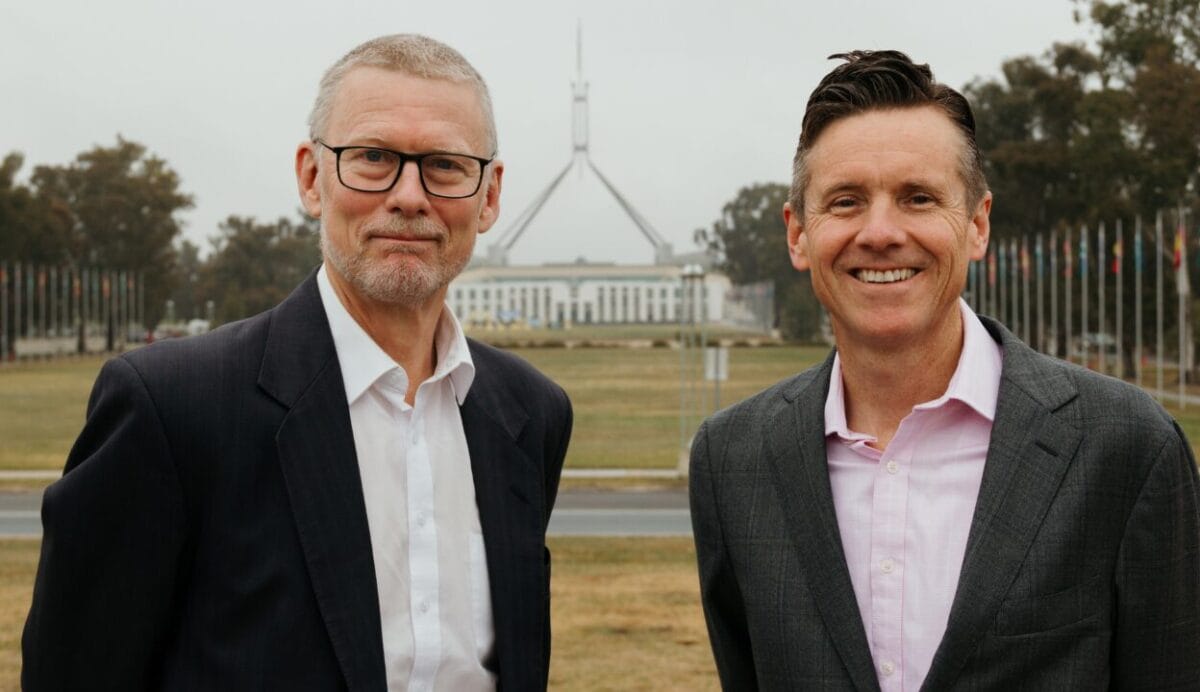
Five years down the track, a high level of support and dedication continues. PFAN boasts a board with a breadth of experience and perspectives, chaired by the general manager of member services, partnerships and Campus AFA, Nick Hakes.
In addition to Hakes’ personal commitment, and that of individual directors past and present, the AFA’s decision to provide administrative support to PFAN has been critical in the network’s development. The network enjoys call-centre support from a major insurer, and a client triaging service from a major not-for-profit super fund.
The support and commitment have been impressive, and even if it all seems to have happened slowly, it should be remembered that PFAN is essentially a voluntary body (notwithstanding the AFA’s support). It has a partnership with MS Queensland, the body established to support people diagnosed with multiple sclerosis and other progressive neurological diseases, as a referral partner.
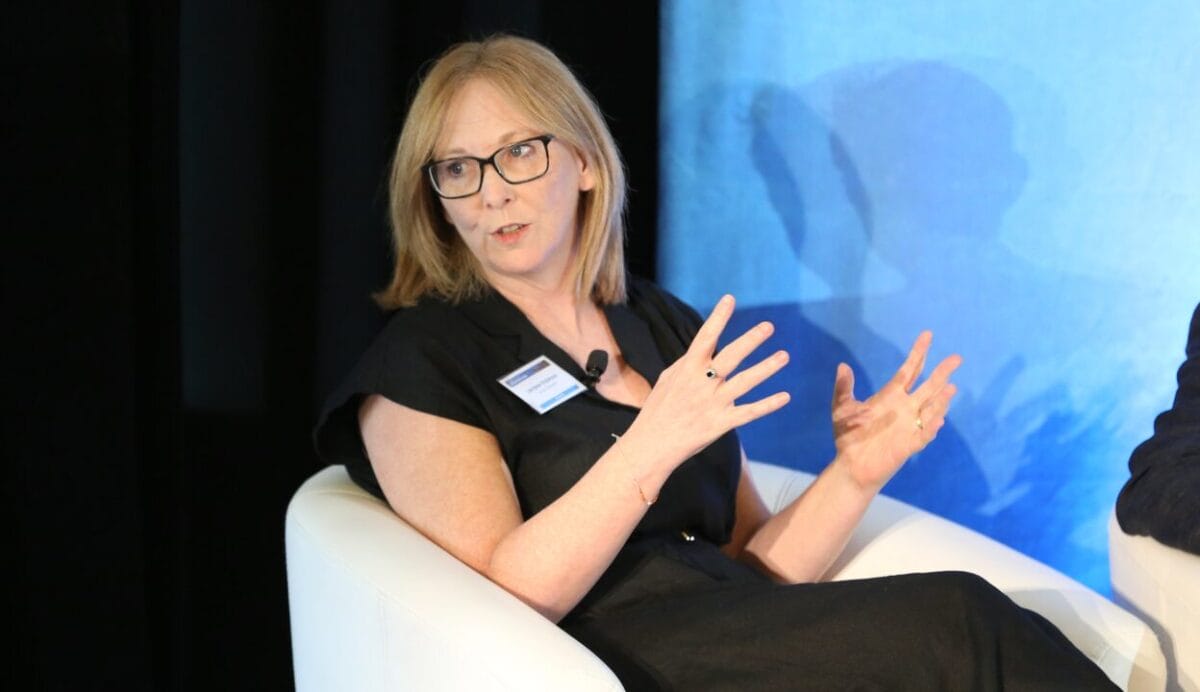
Kate Humphries, a PFAN director and head of risk and legal services, advice and employer relationships, at UniSuper, says it has “taken longer than any of us envisaged” to establish PFAN properly.
“The Licensee Summit has always been the natural prod to keep us moving,” Humphries says.
“That’s how it started. I would say it must be 2014 when we all agreed we would do something. And then it took another six months to come together. We had an initial half-day together in Sydney.
“The sense then was it needed to be licensee-agnostic, so we didn’t want the AMP association – and Steve agreed with that as well. Certainly the governance we’ve got now took until the middle of last year.”
Hakes says the establishment of pro bono services helps create “positive public perceptions of financial advisers and the financial advice profession [and] is something that brings us together”.
“There’s common ground, and it’s for a common good,” he says. He stresses that the advice provided need not be complicated.
“We don’t have to start [the individual] into this big financial planning process,” he says.
“It can be [simply saying], ‘As an expert in what I do, I’m here to tell you that it’s going to be OK, and what you’ve got is OK.’ And I’m not going to charge you for my expertise to tell you that.”
Humphries says it is human nature to want to help someone in crisis.
“There’s usually awareness of where to go for support,” she says. But “the financial services sector broadly hasn’t done a good job of saying, this is where you go to get that help”.
“That’s what we’re trying to do.”
Want to get involved?
Any financial planner who wants to know more about PFAN should visit its website, or shoot through an email for more information. You’ll be asked to provide some information about the sorts of advice services you can provide, and to indicate how much pro bono work you’re prepared to do – there’s no wrong answer to that question.
Hakes says the program with MS Queensland is set to expand as the number of potential pro bono advice providers is building.
PFAN is not the only network or organisation seeking to marshal the resources of the financial planning industry for the greater good of the community, but its origins mean it has a place close to Professional Planner’s heart.
Financial planning often cops a bad press. Getting organised to provide solid, competent and accessible pro bono services is surely something everyone can agree is unequivocally a good thing to do.









Leave a Comment
You must be logged in to post a comment.