


Analysing exchange-traded funds (ETFs) requires different skills from analysing traditional managed funds, and using ETFs in client portfolios places a greater responsibility on financial planners, according to the US-based head of research firm AltaVista Research.
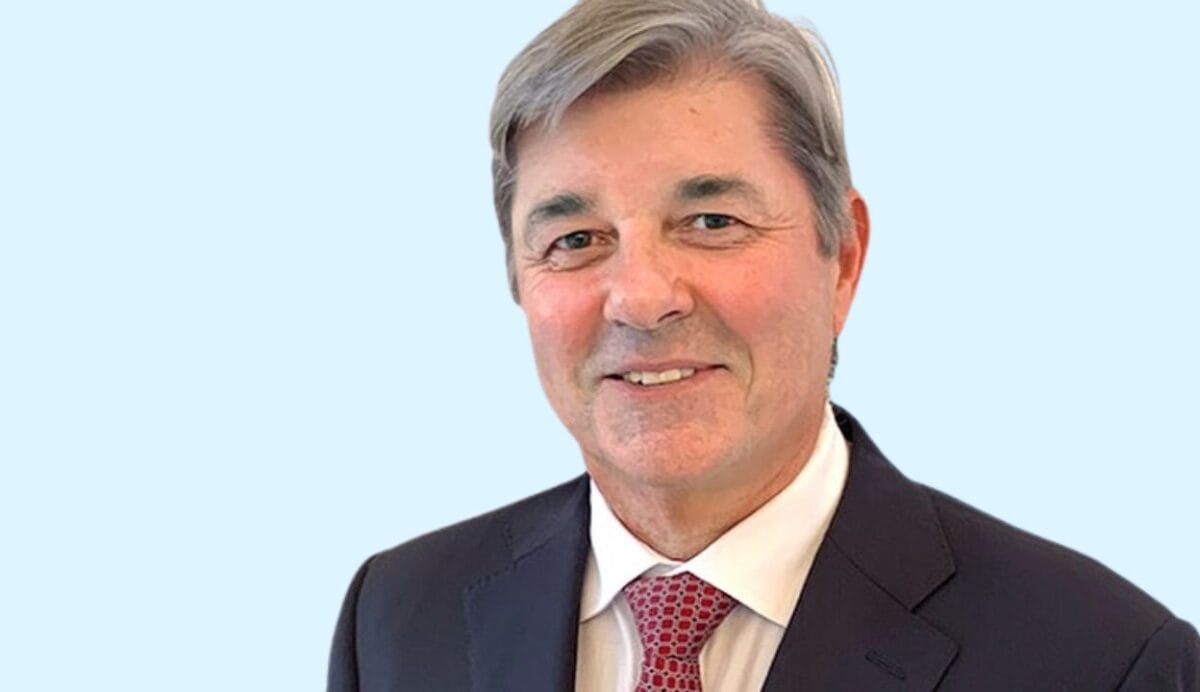
The firm’s president, Michael Krause, says ETFs should be assessed for what they are – a portfolio of individual stocks – rather than as a listed version of an index managed fund.
Krause says that planners who use ETFs as the “building blocks” of portfolio construction solutions have a responsibility to monitor the performance of ETFs more closely than they might monitor the performance of traditional managed funds.
Properly analysing an equity ETF, he says, can involve crunching data on several hundred individual companies to form an “ETF-level” view of the fund’s current valuation and potential future performance.
“It’s not rocket science, but it can be tedious due to the volume of data involved,” says Krause. An ETF tracks an underlying index and will go wherever the index goes – up or down – but that does not mean investing in an ETF is a set-and-forget proposition.
Crunching data on underlying stocks will reveal whether an index looks under or overvalued and that should drive investment decisions. Krause says this is a different approach from investing in and monitoring managed funds, where a key part of the research process is to assess the quality and expertise of a manager.
An ETF does not have a “manager” in the same sense.
“Most researchers out there treat ETFs as if they are managed funds and they are analysing a ‘manager’ who does not exist,” explains Krause.
“They are looking primarily at past performance, and that’s not a good measure for an index that’s on autopilot.
“Advisers who put their clients into actively managed funds are analysing a manager and then they turn the day-to-day management over to that manager, and hope for the best.”
According to Krause, ETFs have recently gotten a second wind.
“I think every one looks at the growth of ETFs and wonders if it’s sustainable or not,” he says. “But it’s part of a much larger growth that people don’t understand.
“Indexing has gone from academia to the broader investing public. They understand what it’s about now. There’s a secular shift to indexing of all kinds – not just ETFs. But obviously, ETFs are the new kids on the block in terms of taking market share.”
Krause says the interest in ETFs and indexing generally is understandable.
“Every time there is a downturn in the market, there’s public dissatisfaction with actively managed funds,” he says.
“You just get these people who jump off [actively managed funds] and they never come back.”
















Leave a Comment
You must be logged in to post a comment.